01 November 2026
How to Spot Hazardous Trees Before Storm Season Hits
Presented by @gregorybjwv232
The Sunshine Coast is known for https://beckettgefd559.focalledger.com/posts/what-is-an-arborist-expert-tree-care-explained-simply its lush subtropical landscape, from coastal she-oaks and Moreton Bay figs to towering eucalypts in the hinterland. That greenery is a big part of what makes the region appealing, but it also brings risk. Storm season typically runs from October through April, when severe thunderstorms, ex-tropical cyclones, east coast lows and intense rain events can bring damaging winds and saturated soils. A tree that looks fine on a calm day may be one strong gust away from failure.
Knowing how to recognise a hazardous tree before the weather turns can protect your home, your family, your neighbours and your wallet. This guide covers the warning signs to look for, the local factors that raise risk, and the steps to take once you have identified a problem.
Why Storm Season Preparation Matters on the Sunshine Coast
Many parts of the region combine factors that put trees under stress. Sandy coastal soils offer limited anchorage, while clay-heavy hinterland soils can become waterlogged during extended wet periods. When soil is saturated, roots lose grip, and even healthy trees can topple in strong winds. Rapid growth in warm, humid conditions also means some species develop heavy, poorly attached limbs.
Inspecting trees before storm season gives you time to arrange pruning or removal under calm conditions. Emergency call-outs after a storm are costly, and demand for arborists often outstrips availability in the days following a major weather event.
Visible Warning Signs of a Hazardous Tree
A walk around your property with a careful eye can reveal most major red flags. Look at the tree from several angles, and examine the base, trunk, canopy and surrounding soil.
Dead or Dying Branches
Dead wood is one of the most common causes of storm damage. Branches without leaves during the growing season, brittle twigs that snap easily, or bark that is peeling away can all indicate dieback. Large dead limbs, especially those hanging over a house, driveway, pool or play area, should be treated as a priority. Also look for "widow makers", which are broken or partially detached branches lodged in the canopy.
Cracks, Splits and Included Bark
Vertical cracks running along the trunk or at branch junctions suggest structural weakness. Codominant stems, where two trunks of similar size grow from the same point, often develop included bark, a pocket of bark trapped between the stems that prevents a strong union. These forks are prone to splitting under wind load.
Hollows, Cavities and Decay
Cavities in the trunk or major limbs are not always dangerous, but they can signal internal decay that reduces structural strength. Be cautious if you notice:
- Fungal growth such as brackets, mushrooms or conks on the trunk or around the base, which often indicate wood decay
- Soft, crumbly or sponge-like wood when the bark is damaged
- Large hollows or open wounds that have not been closing over time
- Sawdust-like material (frass) at the base or in bark crevices, which can point to borers or termites
- Oozing sap or dark staining running down the trunk
Leaning Trees
Some trees naturally grow at an angle and are well adapted to it. The concern is a sudden or progressive lean, especially if it appears after heavy rain or wind. Signs of a recent change include soil mounding or cracking on the side opposite the lean, exposed roots, or a gap opening around the base. A tree with these symptoms may be actively failing and needs urgent professional attention.
Root Problems
Roots are the foundation of any tree, yet problems here are often overlooked because they are hidden. Check for roots that are severed, decayed or exposed, and for lifting soil or paving near the base. Previous construction, trenching, driveway installation or changes in ground level within the root zone can all compromise stability, sometimes years after the work was completed.
Canopy Imbalance and Thinning
A canopy that is sparse, lopsided or unusually thin compared with nearby trees of the same species may indicate disease, root issues or stress. Heavy, overextended limbs on one side can also act as a lever in strong wind, increasing the chance of failure.
Common Sunshine Coast Tree Concerns
Different species have different weaknesses, and local conditions amplify certain risks.
- Eucalypts: Many species are known for shedding limbs without obvious warning, particularly in dry spells followed by heavy rain. Check for dead wood, hollows and termite activity.
- Camphor laurels: Common across the region and often large and mature, these trees can develop decay and heavy limbs. They are also a declared weed in parts of Queensland, so removal rules and local guidance may differ.
- Pines and she-oaks: Shallow or sandy soils can limit root anchorage, especially near the coast.
- Fast-growing ornamentals: Species such as African tulip trees and some palms or figs may have weaker wood or aggressive root systems that affect stability.
- Trees near buildings and powerlines: Any tree close to structures, fences or electrical lines carries a higher consequence if it fails.
Assess the Target as Well as the Tree
Professional arborists evaluate risk by considering two things: the likelihood that a tree or branch will fail, and what would be hit if it did. A weak tree in an open paddock poses little danger to people, while a similar tree overhanging a bedroom, carport or school boundary is a much greater concern.
When inspecting your property, ask yourself what lies beneath the canopy. Homes, vehicles, sheds, clotheslines, pathways, play equipment and neighbouring properties all count as potential targets. The more frequently an area is used, the higher the priority for action.

A Simple Pre-Storm Tree Inspection Checklist
- Walk around each tree and look up into the canopy for dead, broken or hanging branches.
- Inspect the trunk for cracks, cavities, peeling bark, fungal growth and signs of insect activity.
- Examine the base and surrounding soil for lifted ground, exposed roots or recent changes in lean.
- Check for branches growing toward or touching roofs, gutters, powerlines and fences.
- Note any trees that have been damaged by previous storms, building work or lopping.
- Take dated photos so you can compare conditions over time and show an arborist.
- Book a qualified arborist to assess anything that concerns you.
Know the Rules Before You Cut
Tree work on the Sunshine Coast is subject to local laws, and requirements can vary depending on the species, size, location and whether the property sits within an environmental or vegetation protection overlay. Some trees may need approval from Sunshine Coast Council before they are removed or heavily pruned, though exemptions often apply where a tree poses an imminent risk to people or property. Rules and overlays can change, so it is wise to check current council requirements or ask a qualified arborist who is familiar with local regulations before work begins.
Trees near powerlines are a separate matter. Never attempt to prune or remove vegetation near electrical lines yourself. In Queensland, this work must be carried out by suitably qualified people, and the network provider should be contacted where trees are close to or touching lines.
When to Call a Professional Arborist
Some warning signs can be spotted from the ground, but a full assessment often requires specialist training and equipment. Consider engaging a qualified arborist if you notice any of the following:
A sudden lean, significant cracks, large dead limbs, extensive decay, root damage or fungal growth at the base all warrant an expert opinion. The same applies to any large tree close to buildings or frequently used areas. When choosing a provider, look for an arborist with recognised qualifications (such as AQF Level 3 or higher in arboriculture), current public liability insurance and a clear approach to safety.
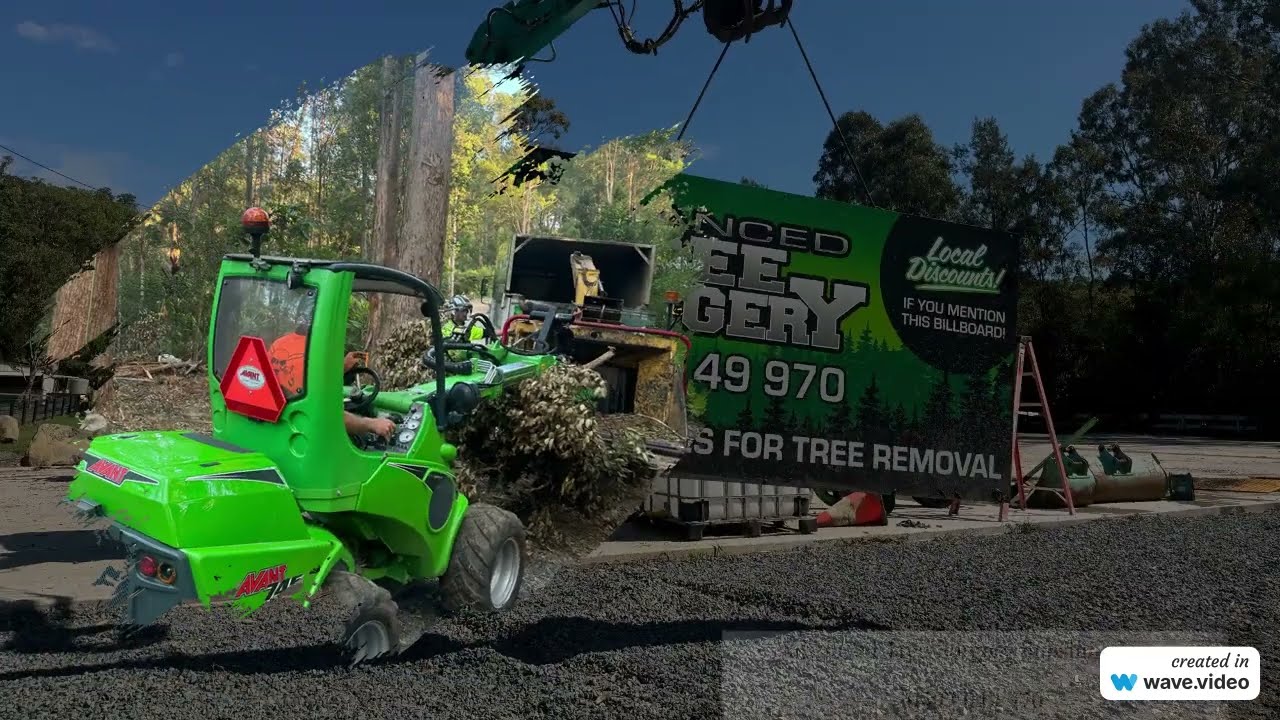
A professional assessment may recommend a range of solutions, including crown cleaning to remove dead wood, selective pruning to reduce sail area, cabling or bracing to support weak unions, or full removal where the risk cannot be reduced to an acceptable level.
Why DIY Tree Work Is Risky
Tree work consistently ranks among the more dangerous domestic tasks. Falling branches, unstable ladders, chainsaw kickback and electrical hazards cause serious injuries every year in Australia. Trees under tension from storm damage or decay can also behave unpredictably when cut. For anything beyond light pruning of small branches within safe reach, using a trained professional is the safer and often more cost-effective choice.
What to Do After a Storm
Even if your trees came through storm season well, inspect them again afterwards. Look for broken limbs, new cracks, leaning or soil movement. Stay well clear of any tree that appears unstable, and keep people and pets away. If a tree has fallen on a building or powerline, treat the area as dangerous and contact emergency services or your electricity provider as appropriate.
Plan Ahead for a Safer Storm Season
Spotting hazardous trees comes down to regular observation and acting early. Check your trees at least once a year, ideally in late winter or early spring before the storm months arrive, and again after any severe weather. Maintaining healthy trees through appropriate pruning, avoiding damage to roots, and removing species that are unsuitable for their location can lower risk over the long term.
If you are unsure about the condition of a tree on your Sunshine Coast property, arranging a professional inspection now is a practical step. Addressing small problems before storm season begins is almost always safer, simpler and less expensive than dealing with the aftermath of a failure.
Sunshine Coast Tree Removal Experts
Unit 5/12 Kelly Ct, Buderim QLD 4556
(07) 4144 9008